

BBB A+ | Free Shipping | Lifetime Warranty
Est. 2014 | USA Small Business
Decades ago, soldiers wore full-cut helmets that offered excellent coverage but completely blocked their ears. As communication headsets became standard gear, troops faced a dangerous problem: they had to remove their life-saving headgear just to use their radios. To fix this, engineers raised the shell's side edges just enough to fit a headset underneath without leaving the sides of the skull fully exposed.
 Today, a mid-cut ballistic helmet represents the perfect middle ground between heavy defense and modern utility. It is heavily relied upon in high-risk police warrants, urban security environments, and even backcountry hunting trips. This specific shape helps a wide range of people stay safe while maintaining critical team communication in the field.
The life-saving power of mid-cut helmets comes down to their advanced materials and modern hardware. A Combat helmet has a massive job: it must stop a speeding bullet, but it must also be comfortable enough to wear for a long 12-hour shift. To achieve this, manufacturers focus on three main areas: the armored shell, the interior safety padding, and the exterior mounting hardware.
The outer shell of a ballistic mid-cut helmet is molded under extreme pressure and heat. This process presses dozens of layers of material together so tightly that they act like a net, catching and trapping high-velocity handgun rounds, such as 9mm and .44 Magnum, before they can penetrate. Typically, these shells are made from one of two materials:
Stopping a bullet is only half the battle. When a bullet hits a mid-cut helmet, it pushes the inside of the shell inward. To protect you from this blunt force shockwave, the inside of the helmet is carefully configured.
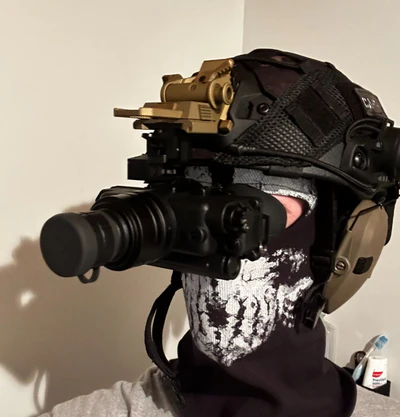
The shell's exterior is designed to hold your essential tools. This exterior hardware enables you to build the Mid Cut helmet setup for night operations and team communication.
Finally, many operators cover all this hardware with a soft Mid Cut helmet cover. This simple fabric addition protects the expensive shell from scratches, breaks up the helmet's shiny outline in the dark, and gives you a neat place to tie down loose battery wires.
Choosing the right helmet involves more than just picking a color. You have to decide how much of your head needs covering, what threats you are facing, and which brand fits your head best. Here is a breakdown of the most important differences you will see when shopping for tactical headgear.
The most noticeable difference between helmets is how the sides are shaped around your ears. This shape is called the "cut."
|
Cut Style |
Ear Coverage |
Headset Fit |
Best Use Case |
|
Low Cut (Full) |
Completely covers the ear |
Not Snug |
Maximum protection from shrapnel |
|
Mid Cut |
Drops slightly over the ear |
Fits slim headsets |
Balanced protection and communication |
|
High Cut |
Leaves the ear completely open |
Fits bulky headsets |
Maximum comfort and audio gear space |
The High-cut vs. Mid-cut helmet debate is the most common choice buyers face. A high cut shell removes the ear section entirely, making it incredibly easy to wear large, bulky noise-canceling ear muffs. However, it leaves a large portion of your skull exposed to danger.
When you compare a mid-cut helmet to a high-cut helmet, the mid-cut is the perfect middle ground. It comes down just far enough to protect the top of your ear and the side of your skull, while still leaving enough room to slide a flat or low-profile radio earpiece underneath.
Another major choice is the shell's actual level of protection. They might look the same on the outside, but they do very different jobs.
Once you know the cut and the protection level you need, you will notice that different brands offer unique styles. Some focus on modern comfort, while others stick to classic, battle-proven durability.
A bare shell is just a hard hat until you add the right tools. Here are some of the best ways to build out your mid-cut helmet setup for the field, ensuring you are ready for any situation.
For clear audio and comfort, attach your headsets directly to the ARC rails on the sides of your shell. Using special rail adapters, you can mount your ear protection right to the helmet. This setup takes the heavy metal headband off the top of your skull, preventing severe headaches during long missions.
Building night-vision-ready helmet configurations requires a perfect balance. If you mount heavy goggles to the front shroud, your helmet will constantly pull your head forward. To fix this, you must attach a counterweight setup for NVGs to the back Velcro panel. This balances the weight and prevents neck pain.
Finally, you need to protect the shell itself and add your basic survival tools. A good tactical helmet needs to blend into its environment while providing the right tools for working in the dark.
What is the difference between budget and premium ballistic helmets?
Both options will save your life. Premium models cost more because they use lighter materials, such as UHMWPE, making them much more comfortable for long, grueling shifts. Budget models use older Aramid fibers and are slightly heavier, but they offer the same bullet resistance.
Are these good Mid-Cut helmets for law enforcement?
Yes. They are widely considered among the best tactical helmets for law enforcement because they provide greater protection to the side of the head during high-risk warrants, while still allowing officers to use their radio earpieces.
Can I use these as ballistic helmets for range and training use?
Absolutely. Many people buy Mid-Cut helmets for military training, hunting, and home defense. Tactical helmets for security professionals are also frequently used by private guards who need reliable, everyday defense.
Will large headsets fit under this shape?
It depends on the specific headset. Slim models like Peltors will fit nicely, but very large, bulky earmuffs might rub against the bottom edge of the shell.
How do I clean and maintain my gear?
Wipe the exterior shell with a damp cloth and mild soap. You can remove the interior foam comfort pads and wash them by hand to keep the helmet smelling fresh after sweaty operations.
Your head is your most important asset, and protecting it should be your top priority. Whether you are building a specialized night vision rig, looking for helmets for military training, or seeking reliable protection for your tactical team, Atomic Defense has the right fit for you. We pride ourselves on offering gear that stands up to the toughest conditions on earth. Explore our collection today to upgrade your protection and gear up for your next mission!


Striker RCHMC must be ordered in sets of 5 or more. HighCom Striker RCHMC: Advanced Level III+ Ballistic Helmet for Ultimate Protection and Comfort...
View full details





11/10! The small touches made such a big impact, like the patch, stickers and jolly ranchers were something I am beyond grateful for! Amazing product! Great price, very much satisfied.
C. Nelson

If you want updates regularly, just shoot Atomic Defense a message. They always respond quickly and answer any questions you have and can clarify. (*Modified for read-ability and formatting.)
S. Stocker
It's comfortable, like 8.9/10. I'm happy I went with Atomic Defense. Genuine equipment you can trust your life with.(*Modified for read-ability and formatting.)
C. Flick